Thorough Landscape Maintenance Services for a Lush, Healthy Outdoor Space
Comprehensive garden maintenance tasks play an important role in maintaining healthy outdoor spaces. These offerings integrate significant elements such as soil health, irrigation, and pest control. By focusing on these factors, landscapes can prosper throughout the seasons. However, understanding the specific techniques and seasonal preparations needed is crucial for achieving lasting results. Exploring these components further reveals the strategies that can turn any garden into a thriving and inviting haven.
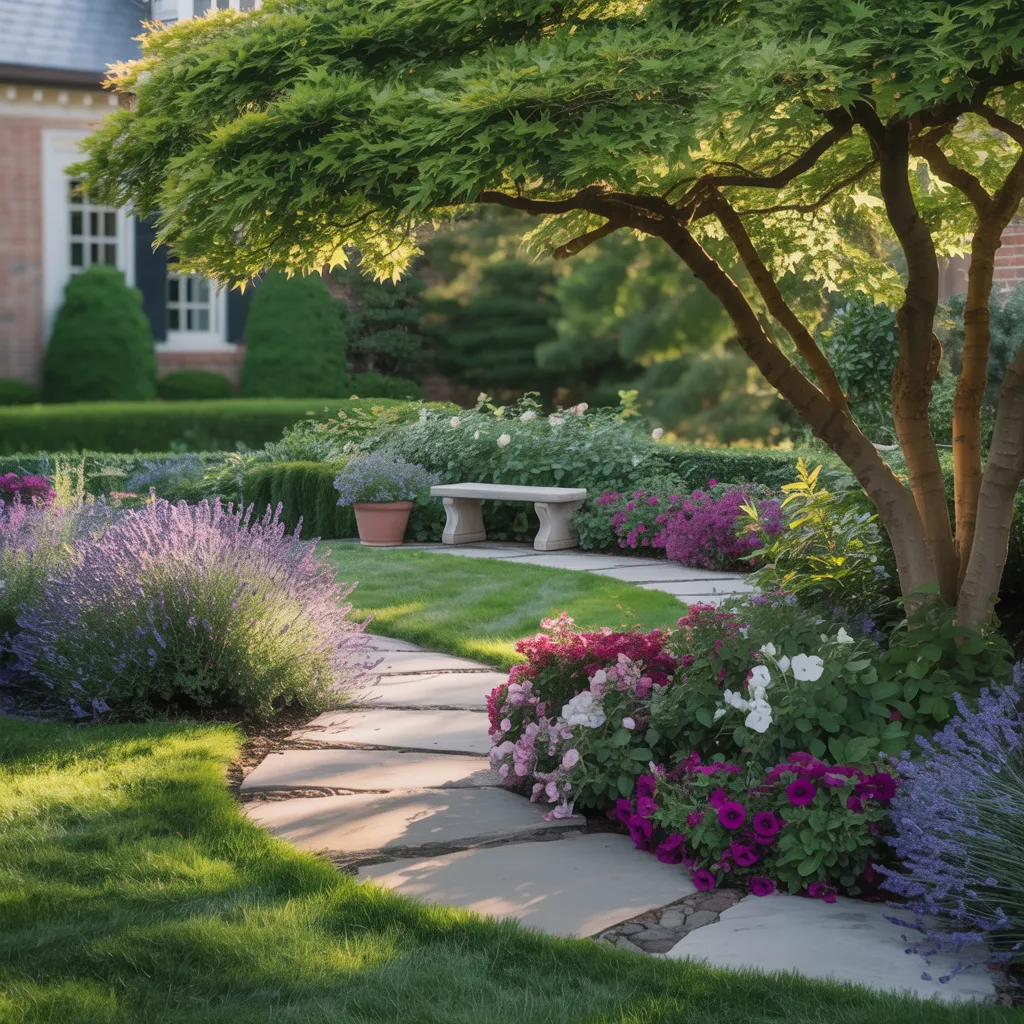
Soil Health Factors for Effective Landscape Maintenance
Soil health acts as the basis for successful landscape upkeep, shaping plant growth and ecosystem equilibrium. Healthy soil is packed with organic matter, nutrients, and beneficial microorganisms, ensuring that plants get the essential elements necessary for perfect development. This nutrient-abundant environment promotes robust root systems, improves water retention, and supports biodiversity, creating a prosperous ecosystem.
Periodic soil testing is indispensable for identifying nutrient shortages and imbalances. This information allows landscaping specialists to introduce customized solutions, such as organic matter or fertilizers, to repair soil health. Additionally, approaches like protective covering and crop coverage can avert soil loss and enhance soil structure.
Furthermore, maintaining soil pH within an suitable range is essential for nutrient access. By emphasizing soil health, landscape maintenance services can develop resilient, sustainable outdoor spaces that not only nurture lush plant life but also add to the overall ecological balance of the environment.
Guide for Watering Your Garden Efficiently?
Effective garden irrigation is critical for advancing healthy plant growth and conserving water resources. To realize ideal results, gardeners should assess several techniques. Drip watering systems channel water directly to the root area, limiting evaporation and water runoff. This system is particularly effective for vegetable gardens and flower beds.
Sprinkler systems, whether fixed or rotating, furnish broader coverage and are suitable for bigger areas. Timers can automate watering schedules, ensuring steady moisture without overwatering. Additionally, mulching around plants helps maintaining soil moisture, cutting down the frequency of watering.
Assessing soil moisture is vital; gardeners can use moisture meters to pinpoint when watering is necessary. Early morning is the finest time to water, as it allows plants to drink up water before the heat of the day. By putting into practice these strategies, gardeners can copyright a verdant, thriving garden while using water resources wisely.
Pest Control Methods for Effective Landscape Maintenance
Implementing effective pest control strategies is essential for preserving a thriving landscape. Effective pest management starts with regular monitoring to spot potential infestations early. Landscape professionals often use integrated pest management (IPM) techniques, which incorporate biological, cultural, and mechanical methods to minimize chemical use. This approach encourages the use of beneficial insects, such as ladybugs and lacewings, which naturally control pest populations.
In addition, appropriate plant choice and positioning can enhance resilience to pests. Indigenous species, for copyrightple, are typically more resilient and attract beneficial wildlife. Regular maintenance practices, such as pruning and removing debris, also help reduce pest habitats. When needed, targeted pesticide applications can be employed, concentrating on the particular insect and minimizing impact on non-target species. By employing these strategies, outdoor care professionals can create a thriving exterior environment, guaranteeing plants remain healthy and vibrant while successfully controlling pest populations.
Tips for Readying Your Outdoor Area Throughout Each Season?
Arranging a yard for each season requires deliberate planning and careful thought. In spring, it is important to copyrightine plant health and begin applying fertilizer, adding mulch, and trimming to encourage growth. Annual flowers can be planted for beauty and color.
As summer approaches, regular watering and pest control become essential. Lawn care, including mowing and aeration, ensures a vibrant appearance.
As autumn arrives, attention shifts to leaf removal and readying plants for dormant season. Splitting perennials and planting bulbs for spring flowering are proven techniques during this time.
Winter maintenance concentrates on preserving tender vegetation from frost and snow. Mulch provides insulation for roots, while trimming select plants can prevent damage from ice.
Enhance Your Curb Appeal With Professional Help
Transforming a outdoor space can significantly improve curb appeal, and hiring expert assistance can make all the difference. Professionals possess the knowledge to recognize specific needs and unique characteristics of a property. They can develop tailored designs that not only elevate aesthetics but also guarantee environmental sustainability.
Expert landscape professionals employ premium supplies and advanced techniques, resulting in a refined appearance that DIY methods often cannot match. They are skilled in choosing appropriate vegetation, implementing effective irrigation systems, and creating hardscapes that harmonize with the overall design.
Moreover, ongoing maintenance services delivered by professionals keep landscapes thriving throughout the seasons. This reliable care prevents overgrowth and promises that every element is kept in excellent condition. Ultimately, investing in professional landscaping services not only enhances curb appeal but also increases property value, making it a wise choice for homeowners seeking to enhance their outdoor spaces.

Frequently Asked Questions
What Schedule Should I Follow to Trim My Lawn for Optimal Health?
For optimal lawn health, it is generally recommended to mow once a week during the active growth period. Adjust frequency based on growth speed, weather conditions, and grass type to maintain a healthy, vibrant lawn.
Which Botanical Options Are Perfect for Bringing In Pollinators?
Pollinators like butterflies and bees are interested in native wildflowers like coneflowers, milkweed, and black-eyed Susans. Additionally, herbs such as lavender and mint can enhance pollinator activity, creating a thriving, constructive ecosystem in gardens.
How Can I Enhance My Lawn's Water Drainage?
To optimize lawn water flow, one can aerate the soil, include organic matter, install drainage systems, and ensure proper grading. Regular maintenance and monitoring will substantially improve water flow, promoting a more robust lawn environment.
What Are the Symptoms of Earth Compaction?
Indicators of earth densification are slow water drainage, accumulated water, limited plant development, noticeable splits in the ground layer, and challenge with pushing a garden fork or spade. Healthy soil should disintegrate easily and allow for root expansion.
How Can I Find the Perfect Mulch for My Garden?
Selecting the appropriate ground cover involves evaluating plant types, climate, and aesthetic preferences. Organic mulches enhance soil health, while inorganic options offer durability. Evaluating these factors ensures ideal benefits for plant go now development and maintenance.